Why Hiring a Certified Florist Matters for Large Events
Planning a large event looks simple from the outside. A few centrepieces, a floral arch, maybe some arrangements for the entrance, and job done. But anyone who has organised a wedding, gala dinner, conference, launch party, or awards night knows the truth: flowers can become one of the most stressful parts of the day if they are not handled properly.
That is exactly why hiring a certified florist matters for large events. Certification is not just a nice badge on a website. It usually signals training, technical skill, professional standards, and the ability to work calmly under pressure when there are many moving parts. On a big day, that matters more than people think. One late delivery, one badly conditioned batch of stems, or one design that does not suit the venue can throw the whole atmosphere off. And let's face it, nobody wants to be the person standing in a hotel foyer while half the arrangements are still in the van.
In this guide, we will break down what a certified florist actually brings to the table, how the process works, where the risks sit, and how to judge whether the right florist is worth the investment. You will also find a comparison table, a practical checklist, and a realistic example so you can make a confident decision rather than an anxious one.
Expert summary: For large events, a certified florist is valuable because they combine creative design with planning discipline, supplier knowledge, safe handling, and reliable delivery. That mix is what keeps the flowers looking fresh, on-brand, and in the right place at the right time.
Table of Contents
- Why Hiring a Certified Florist Matters for Large Events
- How Hiring a Certified Florist Works
- Key Benefits and Practical Advantages
- Who This Is For and When It Makes Sense
- Step-by-Step Guidance
- Expert Tips for Better Results
- Common Mistakes to Avoid
- Tools, Resources and Recommendations
- Law, Compliance, Standards, or Best Practice
- Options, Methods, or Comparison Table
- Case Study or Real-World Example
- Practical Checklist
- Conclusion
- Frequently Asked Questions
Why Hiring a Certified Florist Matters for Large Events
Large events are unforgiving. When you are doing floral work at scale, every weakness gets amplified. A small error on a single bouquet might go unnoticed. A small error on 40 table arrangements, a ceremony install, and an entrance display becomes very noticeable very quickly.
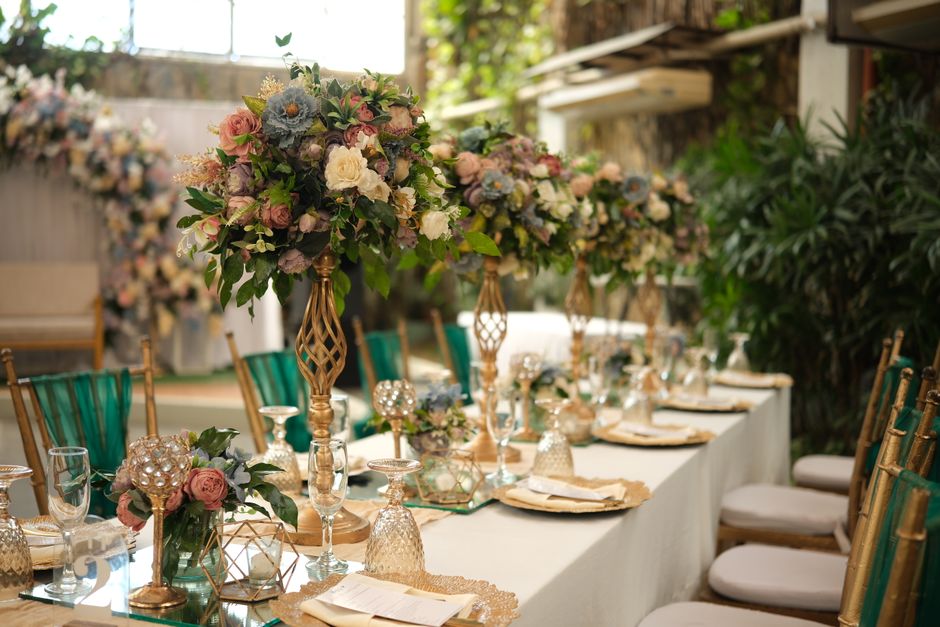
A certified florist brings something more dependable than simple taste. They have usually trained in flower conditioning, design principles, care, and event logistics. That combination is crucial because event flowers are not just decorative; they are working parts of the whole experience. They shape first impressions, support branding, guide movement through a venue, and set the mood before a single speech begins.
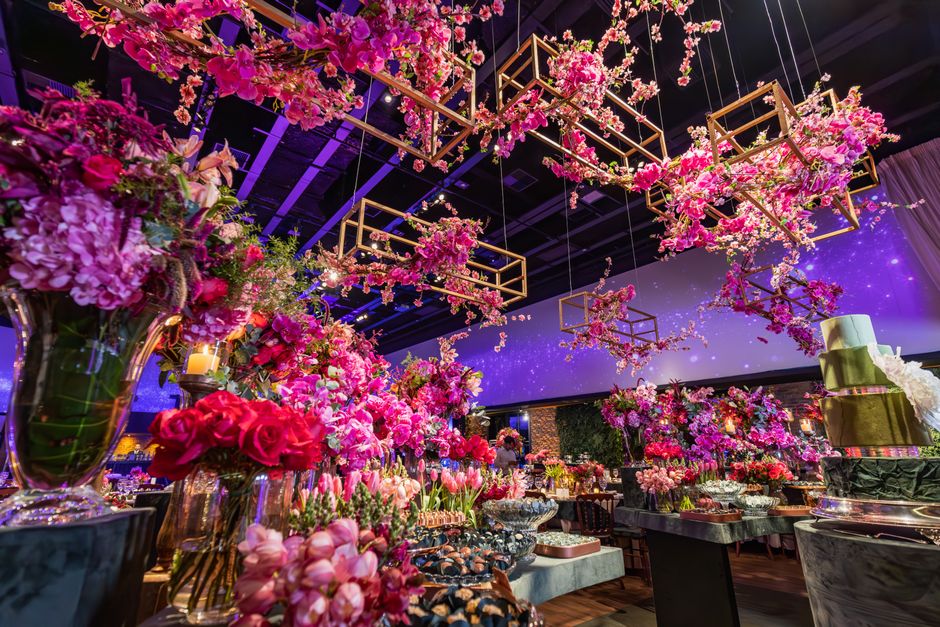
For a wedding, that might mean a ceremony backdrop that photographs beautifully in daylight and still looks balanced under evening lighting. For a corporate launch, it may mean arrangements that fit the venue without blocking sightlines or clashing with the brand colours. For a gala dinner, it is often about scale, consistency, and stamina. The flowers need to look fresh from setup to close, not just for the first ten minutes.
The certified florist also helps reduce avoidable risk. At larger events, there are more vendors, tighter timings, venue restrictions, storage issues, transport challenges, and weather variables. A professional who understands those moving parts can plan for them instead of reacting at the last minute. That calm, methodical approach is often the difference between an event that feels polished and one that feels a bit held together with hope and ribbon.
There is also a trust factor. Certification gives clients a better signal that the florist has met a recognised standard of skill or professional development. It does not guarantee perfection, of course. Nothing does. But it does show that the florist has invested time in learning the craft properly, and that matters when you are responsible for a large guest list and a non-repeatable day.
In practice, people often hire certified florists because they want fewer surprises. That is a very fair reason. Big events are expensive enough already.
How Hiring a Certified Florist Works
The process usually starts with a consultation. A good florist will ask about the venue, the date, guest count, colour palette, style, budget, and any practical constraints. They may also ask about the venue access times, loading bays, lift sizes, ceiling heights, and whether the site has floral restrictions. Those questions might feel a bit detailed at first, but they are exactly what prevents chaos on the day.
From there, the florist will typically turn the brief into a plan. That may include a mood board, stem suggestions, placement ideas, quantities, and a rough build schedule. For bigger events, this stage is where experience really shows. A certified florist knows how to balance creative ambition with what is actually possible in the venue, in the time available, and with the flowers that are likely to perform well.
Then comes sourcing and conditioning. This part is often invisible to guests, but it is where quality is protected. Flowers need to be selected, trimmed, hydrated, stored, and sometimes staged in phases so they are ready at the right time. In large event work, timing is not a footnote. It is the whole point. A peony that opens too early or roses that arrive tired can spoil the effect, even if the design itself is strong.
On setup day, the florist coordinates delivery, installation, and final adjustments. For larger venues, this may involve working around AV teams, catering staff, planners, and venue managers. A certified florist usually understands that the best floral work is often invisible in its logistics. Guests should notice the result, not the panic behind it.
After the event, some florists also handle pack-down or redistribution of arrangements. If you are arranging flowers for multiple areas such as reception, dining, stage, and breakout spaces, that aftercare can be surprisingly useful. If the event is for a business or recurring client, it also helps to have a florist who can support corporate accounts for smoother repeat bookings and invoicing.
Key Benefits and Practical Advantages
The benefits of hiring a certified florist are not abstract. They show up in very practical ways.
1. Better design judgement
Certified florists usually understand how proportion, colour theory, texture, and scale work together. That matters a lot for large events, where the wrong arrangement height can block conversation or make a room feel cramped. A skilled florist will know when to use massed florals for impact and when to keep things lighter and more breathable.
2. Reliable event timing
Flowers are time-sensitive. A large event often depends on morning deliveries, short setup windows, and strict venue access rules. A professional florist plans for this in advance, which reduces the risk of half-finished installations and awkward last-minute scrambles.
3. Fresher, better-handled flowers
One of the hidden advantages of trained floral work is stem care. Proper cutting, hydration, temperature control, and transport make a real difference. If you want arrangements that still look lively halfway through a long evening, that care matters. You can also support longevity by following guidance from the florist's flower care advice once arrangements are in place.
4. Fewer operational headaches
Large events have enough moving parts without floral guesswork. A certified florist can work with planners, venues, and other suppliers in a structured way, which saves everyone time. And yes, that usually means fewer messages beginning with "quick question" at 9:30 pm the night before.
5. Better risk management
There are real risks in event floristry: damaged stems, venue damage, delayed delivery, colour mismatch, unsafe installations, and over-ordering. A professional who has worked on large projects before will often spot these issues early. Sometimes that is worth more than the design itself, to be honest.
6. Stronger consistency across the venue
When flowers are spread across multiple zones, consistency becomes difficult. A certified florist knows how to keep the same style language throughout the event so the entrance, tables, stage, and ancillary spaces feel connected rather than random.
7. More value from the budget
People sometimes assume certification means paying simply for a title. It is usually the opposite. Better planning and fewer mistakes can reduce waste, avoid emergency spend, and improve the final result. That is especially important if you are working within a fixed event budget.
Who This Is For and When It Makes Sense
Hiring a certified florist makes the most sense when flowers are doing more than filling space. If they need to help shape the guest experience, support a brand, or hold together a formal event atmosphere, professional expertise becomes much more valuable.
This is especially relevant for:
- Wedding planners managing large guest counts or multiple floral zones
- Corporate event teams planning product launches, receptions, or award evenings
- Hotels and venues that host recurring functions
- Marketing teams creating a premium visual experience for brand events
- Families organising milestone celebrations such as anniversaries or landmark birthdays
- Charity galas, fundraising dinners, and community celebrations with strict timings
It also makes sense when the event has venue complexity. For example, a historic building with access restrictions, a marquee on private grounds, or a conference venue with tight changeover windows can all make floral delivery and installation trickier than expected.
If your event is small and informal, you may not need the full scale of certified event floristry. But once the arrangements become numerous, highly visible, or time-critical, professional help stops being a luxury and starts being sensible planning.
That is the honest line. Not every event needs the same level of input. But large events? They nearly always benefit from it.
Step-by-Step Guidance
If you are deciding whether to book a certified florist, this is the cleanest way to approach it.
- Define the event outcome. Decide what the flowers need to achieve. Are they for atmosphere, branding, photography, ceremony impact, or all of the above?
- Share practical details early. Give the florist the venue address, access times, layout notes, guest count, and any restrictions. The more detail upfront, the fewer awkward surprises later.
- Set a realistic budget. Be open about what you can spend. A skilled florist can often suggest smarter design choices rather than simply shrinking everything.
- Ask about certification and event experience. Certification is helpful, but you also want evidence of large-event work, logistical confidence, and calm communication.
- Request a design proposal. Look for clarity in style, quantities, set-up approach, and timing. If the proposal feels vague, that is a warning sign.
- Confirm delivery and installation details. Make sure the plan covers access, set-up windows, vehicle restrictions, and who will be onsite to sign off the work.
- Review care and post-event handling. Ask how the arrangements should be maintained once installed and what happens after the event ends.
A small but useful tip: if a florist asks you thoughtful questions before offering a price, that is usually a good sign. It means they are pricing the actual job, not just a guess. Guesswork is fine for choosing a lunch spot. Less useful for 26 centrepieces and a ceremony arch.
Expert Tips for Better Results
After enough event work, certain habits stand out as consistently useful.
Build the floral plan around the venue, not the other way round
Some venues have high ceilings and grand entrances. Others are intimate, low-lit, and a little awkward in layout. The best floral designs respond to the room. They do not fight it. If a florist ignores the venue's shape, the result can feel forced.
Use flowers that match the event duration
If your event runs all day and into the evening, choose blooms and mechanics that can hold up. Not every flower is equally durable, and not every arrangement style is equally practical. A certified florist should be able to explain why some choices work better than others.
Balance statement pieces with supporting arrangements
A big focal piece is lovely, but it should sit within a wider plan. Without supporting arrangements, the room can feel unfinished. With too many large pieces, it can feel crowded. There is a sweet spot, and experienced florists know how to find it.
Think about sightlines and human comfort
Guests need to talk, eat, see the stage, and move around safely. Tall arrangements that look stunning in a photo can become irritating if they block conversation. That sounds obvious, but it gets missed quite often.
Plan for transport and weather, especially in the UK
British weather can be a bit of a joker, honestly. Cold, damp, windy, unexpectedly warm - all of it affects flowers and logistics. A florist who prepares for transport conditions, holding temperatures, and protective packaging will usually deliver a more stable result.
Keep communication simple and centralised
For larger events, too many voices can muddy the brief. Try to appoint one main decision-maker or one planner to communicate with the florist. It saves time and reduces contradictory feedback.
If you are looking for a supplier overview or want to understand the business better before booking, the about us page is a sensible place to start. For venue-bound event orders, it also helps to understand how delivery is handled so you can coordinate timings properly.
Common Mistakes to Avoid
Most floral disasters are preventable. That is the annoying bit, because it means they usually come from decisions that seemed harmless at the time.
- Choosing only on price. A low quote can be tempting, but it may leave too little room for quality stems, labour, transport, or onsite setup.
- Booking too late. Good florists are often booked early, especially for peak wedding months and busy corporate periods.
- Giving a vague brief. Words like "classic," "luxury," or "modern" are fine, but they need context. Show images, colour references, or venue details.
- Forgetting about access. If the florist cannot park nearby or reach the venue easily, setup can become messy very quickly.
- Ignoring flower lifespan. Some designs look beautiful for an hour and then struggle. For all-day events, that is not good enough.
- Not confirming who is responsible on the day. Someone has to accept delivery, sign off the installation, and handle last-minute decisions.
One more practical misstep: assuming the florist will automatically know your brand colours from a logo. They may get close, but "close" is not the same as exact, especially under indoor lighting. It is always worth checking.
Tools, Resources and Recommendations
You do not need a complicated project system to organise event florals, but a few simple tools help a lot.
- Venue floor plans for placement and traffic flow
- Reference images to show preferred style, scale, and colour mood
- A timeline sheet that lists delivery, setup, ceremony, dinner, speeches, and breakdown
- Guest or table count so quantities are accurate
- Access notes covering loading points, lifts, stairs, and restrictions
- Budget bands so the florist can suggest realistic options
It is also worth checking the florist's practical service information before booking. The pages on guarantees, payment, and returns and refunds can help set expectations around ordering, payment handling, and what happens if something does not go as planned.
If your event involves repeat bookings, ongoing workplace displays, or hospitality use, explore corporate accounts as well. That can make ongoing floral management far easier. For clients who care about values and sourcing, sustainability information is also worth reviewing because many event teams now want to reduce waste and choose more considered materials.
Law, Compliance, Standards, or Best Practice
For most clients, event floristry is less about legal complexity and more about professional best practice. Still, there are a few important points to keep in mind.
First, venues often have their own rules on access, deliveries, load-in times, fire exits, and installation methods. These are not optional. A certified florist is more likely to work comfortably within those rules because they are used to coordinating with venue teams and planners.
Second, if flowers are being installed overhead, attached to structures, or used in ways that affect movement or safety, the work needs to be treated carefully. You want a florist who understands secure fixing, stable mechanics, and the importance of not interfering with exits, cables, or guest pathways. That is just good practice, and in many venues it is a requirement.
Third, for business and hospitality events, there can be procurement expectations around payment, invoicing, sustainability, and supplier transparency. None of this needs to be dramatic, but it should be clear. Good suppliers make this easier, not harder.
It is also sensible to review the florist's policies, including terms and conditions, privacy policy, and accessibility statement. Those pages do not design flowers, obviously, but they do show how the business handles customer information, service expectations, and access considerations. That is part of trust, too.
If you are ever unsure about a venue rule, ask the venue manager and the florist together. It saves a lot of back-and-forth. A simple conversation early on can prevent a very awkward morning later.
Options, Methods, or Comparison Table
If you are weighing up who should handle your event flowers, here is a straightforward comparison.
| Option | Best for | Strengths | Limitations |
|---|---|---|---|
| Certified florist | Large weddings, corporate events, formal functions | Professional planning, better flower handling, reliable installation, design consistency | Usually higher upfront cost than informal alternatives |
| General flower seller or casual supplier | Small, low-pressure gatherings | Can be simpler or cheaper for basic needs | Less event logistics support, more risk on timing and quality |
| DIY arrangement | Very small events or creative hobby projects | Maximum control, personal touch | Time-consuming, stressful, and risky at scale |
| Event planner without floral specialist support | Events where flowers are secondary | Useful for broad coordination | May not have the floral expertise needed for complex installations |
The table is not meant to say only one route is acceptable. It is just honest: once the event gets bigger, the gap between a certified florist and a casual supplier becomes very obvious. Usually around the point where someone says, "Wait, where are the tall arrangements meant to go?"
Case Study or Real-World Example
Imagine a mid-size corporate dinner in central London. The event has a reception area, 12 dining tables, a small stage, and a branded entrance display. On paper, that sounds manageable. In practice, there are three delivery windows, a venue lift with limited access, and a caterer turning the room around until just before guests arrive.
A certified florist would typically start by confirming the layout and access times, then designing arrangements that suit the room without interfering with service. They might choose a strong entrance piece, lower table designs for conversation, and a stage arrangement that frames the speaker area without overwhelming it. The flowers would be conditioned early, delivered in a controlled sequence, and positioned so the venue team can keep working around them.
Now compare that with a less experienced supplier who focuses only on the visual idea. The plan might still look lovely on paper. But if the stems arrive too early, the containers are the wrong size, or the delivery timing clashes with catering, the whole thing can start to wobble. Guests do not see that behind-the-scenes stress, but they absolutely feel the result.
In real event work, success often looks boring. Everything arrives on time. The room smells fresh, not overwhelmed. Guests can see each other. The photographer gets clean shots. Nothing topples. No one is chasing the florist with a raised eyebrow. That is the win.
Practical Checklist
Use this before you book or finalise a floral supplier for a large event.
- Have I defined the event style and purpose clearly?
- Do I know the exact venue, access rules, and delivery window?
- Have I shared guest numbers, table counts, and floor plans?
- Has the florist shown relevant experience with large events?
- Does the proposal explain quantities, setup, and timing?
- Have I asked about flower care, transport, and onsite installation?
- Do I understand the payment terms and cancellation conditions?
- Have I checked whether the supplier offers practical guarantees or service support?
- Is sustainability important for this event, and have I discussed it?
- Do I know who will sign off the delivery on the day?
If you can tick most of those off, you are in a much stronger position. If not, take a breath and slow down the booking process a little. Better to ask now than panic later. That is just common sense, really.
Get a free quote today and see how much you can save.
Conclusion
For large events, flowers are not just decoration. They are part of the atmosphere, the pacing, the photography, and the guest experience. That is why hiring a certified florist matters for large events: it gives you a stronger blend of design skill, planning discipline, professional care, and reliable execution.
Could you get flowers for a big event without one? Of course. But if the event matters, if the timing is tight, and if the floral design needs to feel intentional rather than improvised, certification and real event experience are worth taking seriously. They reduce risk, improve consistency, and make the whole process feel much calmer.
And calm matters. Especially on the day everyone is arriving early, the room is still being polished, and someone is asking where the final table numbers are. If the flowers are already in place and looking lovely, that is one less thing to worry about. Which, frankly, is a gift in itself.
When the flowers are done well, nobody talks about how hard it was. They just remember how the room felt. That is the part worth aiming for.
Frequently Asked Questions
What does a certified florist bring to a large event?
A certified florist brings trained design judgement, better flower handling, and practical event planning. For large events, that combination helps keep arrangements fresh, consistent, and delivered on time.
Is certification the same as experience?
Not exactly. Certification suggests training and professional standards, while experience shows how well a florist handles real event pressure. Ideally, you want both.
Why not just use a regular flower shop for a big event?
Some flower shops can handle events well, but large functions need more than pretty flowers. You need logistics, timing, venue coordination, and consistent scale across multiple spaces.
How far in advance should I book a florist for a large event?
As early as possible, especially for weddings, peak seasons, and corporate events with fixed dates. Good florists are often booked well ahead, and last-minute planning can limit choice.
What should I ask before hiring a certified florist?
Ask about event experience, setup process, delivery timing, flower sourcing, care instructions, payment terms, and what happens if plans change. Straightforward questions usually get the most useful answers.
Do certified florists help with setup and installation?
Usually, yes, especially for event work. That often includes delivery, placing arrangements, and making sure the floral design is installed safely and correctly at the venue.
How do I know if the florist understands my venue?
A good florist will ask for floor plans, access notes, timing details, and venue restrictions. If they are curious about the practical side, that is a strong sign they know what they are doing.
Are certified florists better for corporate events?
Often, yes. Corporate events usually need reliability, brand awareness, punctuality, and a polished finish. Certified florists are generally better equipped for those requirements.
What if I have a limited budget?
Be honest about the budget from the beginning. A skilled florist can often suggest smarter design choices, prioritise high-impact areas, and reduce waste without making the event feel underdone.
How do flowers stay fresh through a long event?
Freshness depends on proper conditioning, careful transport, suitable flower selection, and thoughtful installation. After that, a florist's care guidance and the event environment both play a part.
Do I need to worry about sustainability when booking event flowers?
If sustainability matters to you or your organisation, yes, it is worth discussing early. Many event teams now want to reduce waste and choose more responsible sourcing or packaging where possible.
What's the biggest mistake people make with event floristry?
The biggest mistake is often leaving everything too late. The second biggest is not giving enough detail. Flowers seem simple until you are coordinating them for a room full of guests and a strict venue schedule.
Where can I check service details before booking?
Look at the florist's service pages, including delivery, guarantees, payment, returns, and company information. Those pages help you understand expectations before you commit.