Step-by-Step: Planning Wedding Flower Timelines in the UK
Wedding flowers look effortless on the day, but the best arrangements are usually the result of calm planning, clear decisions, and a realistic timeline. If you are trying to work out when to book your florist, when to finalise your choices, and when the flowers should actually be delivered, you are not alone. Couples across the UK often underestimate how many moving parts sit behind a bouquet, buttonhole, or ceremony arch.
This guide breaks down Step-by-Step: Planning Wedding Flower Timelines in the UK in plain English. You will learn what to do first, what can wait, how far ahead to start, and how to avoid last-minute stress. Whether you are planning a simple civil ceremony or a full floral concept across multiple venues, the aim is the same: get the right flowers, in the right condition, at the right time.
Along the way, you will also find practical tips for coordinating with your venue, managing seasonal availability, and choosing delivery timing that protects delicate blooms. If you want a smoother planning process, a helpful starting point is to review a florist's flower delivery service and their wider delivery information before you lock in the date.
Table of Contents
- Why Wedding Flower Timelines Matter
- How Wedding Flower Timelines Work in Practice
- Key Benefits and Practical Advantages
- Who This Is For and When It Makes Sense
- Step-by-Step Guidance
- Expert Tips for Better Results
- Common Mistakes to Avoid
- Tools, Resources and Recommendations
- Law, Compliance, Standards, or Best Practice
- Options, Methods, or Comparison Table
- Case Study or Real-World Example
- Practical Checklist
- Conclusion
- Frequently Asked Questions
Why Wedding Flower Timelines Matter
Wedding flowers are highly time-sensitive. Freshness, temperature, transport, and setup all affect how they look when guests arrive. A bouquet that is perfect at 9 a.m. may not be perfect at 4 p.m. if it has been handled badly, kept too warm, or delivered too early without proper care. That is why timeline planning is not just an admin task; it is part of quality control.
Timelines also matter because wedding flower choices are often linked to seasonality. Peonies, dahlias, sweet peas, ranunculus, roses, hydrangeas, and seasonal foliage all behave differently. Some are more forgiving. Some are not. If you want a specific flower that is out of season in the UK, the timeline needs to allow for sourcing discussions, substitutions, or a revised design plan.
There is also the venue factor. Many UK venues have strict access windows, setup slots, or unloading points. A florist may need to coordinate with the venue manager, caterer, stylist, or registrar. If those timings are not aligned early on, even a beautiful floral plan can become a rushed one. Nobody wants floristry happening like a game of musical chairs.
Finally, timelines reduce emotional pressure. Weddings already have enough moving parts. A structured approach gives you space to make thoughtful choices rather than frantic ones.
How Wedding Flower Timelines Work in Practice
In practical terms, wedding flower planning in the UK usually follows a sequence: research, enquiry, consultation, design brief, seasonal confirmation, final numbers, production, delivery, setup, and post-event collection if required. The exact order can vary depending on the florist and the size of the wedding, but the logic stays the same.
Early in the process, you are deciding style and scale. Later, you are confirming details such as bouquet count, buttonholes, table arrangements, ceremony pieces, and any installations. Closer to the date, the florist will usually need final guest numbers, venue access information, and any changes to your original brief.
This is where a well-run florist becomes invaluable. They are not just making flowers look pretty; they are managing product availability, hydration, conditioning, transport, and presentation timing. If you are comparing providers, it helps to look beyond inspiration photos and review operational details such as delivery guarantees, flower care guidance, and even the florist's wider service approach on pages like about us.
In the UK, many weddings also involve short lead times for civil ceremonies, church weddings, or registry office bookings. That makes realistic planning even more important. The best floral timeline is the one that fits your venue, your season, and your budget without leaving everything to the last week.
Key Benefits and Practical Advantages
A clear wedding flower timeline does more than keep you organised. It improves the actual outcome.
- Better flower quality: Fresh flowers are conditioned correctly and delivered at the right time.
- More design control: You have time to refine the brief instead of making rushed substitutions.
- Lower stress: Decisions are spread out, which is much easier than trying to do everything in one week.
- Better budget control: You can prioritise the florals that matter most, such as the bridal bouquet or ceremony focal point.
- Fewer venue issues: Deliveries and installs can be coordinated around access windows.
- Reduced risk of disappointment: You are less likely to discover that your preferred flowers are unavailable at the eleventh hour.
There is also a subtle benefit many couples miss: a timeline helps you think in layers. You do not need to finalise every vase, ribbon, and stem count on day one. Good planning lets you secure the essentials first and then refine the decorative details later. That is usually the smartest way to preserve both calm and creativity.
Who This Is For and When It Makes Sense
This approach is useful for almost every couple, but it is especially valuable if any of the following apply:
- You are getting married in peak wedding season, when demand for florists is higher.
- You want specific seasonal flowers or a colour palette that depends on particular blooms.
- Your venue needs precise delivery and setup timing.
- You are planning a large wedding with multiple floral touchpoints.
- You are balancing flowers with other suppliers such as caterers, photographers, and stylists.
- You are working with a tighter budget and need to prioritise carefully.
It also makes sense for couples who simply prefer clarity. Some people are happy to leave everything fluid until later; others feel calmer once there is a written plan. Truth be told, flowers are one of those areas where a little structure goes a long way.
If you are planning corporate-style hospitality around the wedding, or you need recurring floral support for a venue, corporate account options may also be worth exploring for linked events or ongoing floral needs.
Step-by-Step Guidance
1. Start with the wedding date, venue, and ceremony time
Your timeline starts with the basic logistics. Make sure you know the exact date, ceremony time, reception start time, and whether the ceremony and reception are in the same place. A 2 p.m. ceremony at one venue is a very different floral brief from a 4 p.m. ceremony followed by a reception across town.
Also check venue access. Can suppliers arrive early? Is there a loading bay? Are there restrictions on candles, stands, or adhesives? These details affect when flowers should be delivered and whether the florist can set up everything in one visit.
2. Decide on your floral priorities
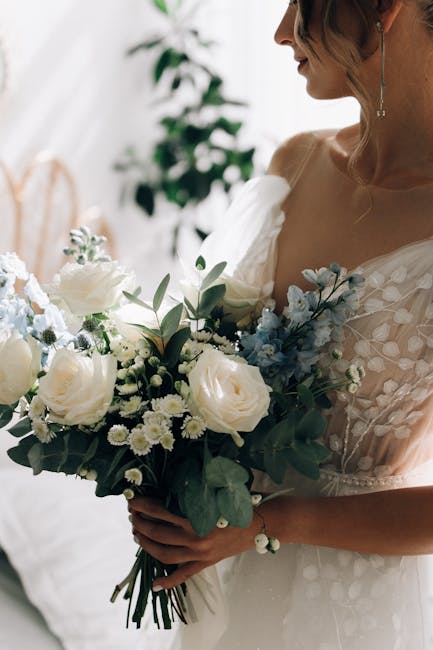
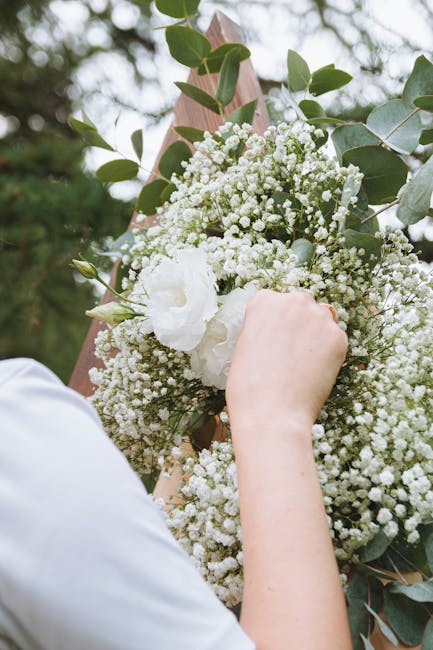
Not every wedding needs every floral element. Start with the essentials: bridal bouquet, bridesmaids' bouquets, buttonholes, ceremony flowers, and reception table arrangements. Then decide what else matters to you, such as aisle arrangements, staircase pieces, hanging installations, or a statement feature for the top table.
This step is where budget and style meet. A few carefully chosen focal points often create a stronger visual result than spreading the budget too thinly across too many small items.
3. Book your florist early enough for your season
For many UK weddings, it is sensible to contact florists well ahead of the date, especially for spring and summer weekends. Popular florists can book up early, and high-demand dates leave less room for custom sourcing.
When you enquire, share the date, venue, approximate guest count, colour ideas, and whether you have any floral dislikes or must-haves. The more useful your initial brief, the easier it is for the florist to advise on timing and suitability.
If you are still comparing providers, look at service pages such as flower delivery and delivery details to understand how a supplier handles timing, freshness, and logistics.
4. Build the design brief once the style is agreed
After you choose a florist, the next step is turning inspiration into a workable plan. Pinterest boards are useful, but only if they are treated as reference material rather than a rigid shopping list. A good design brief should cover:
- colour palette
- seasonal preferences
- overall style: classic, romantic, modern, rustic, editorial, or minimal
- budget range
- flower dislikes or allergies
- venue features that matter visually
- what must be the visual focus on the day
Once the brief is clear, your florist can advise what is realistic for the season and budget. That conversation is often where the timeline becomes more accurate, because the design itself affects conditioning time, sourcing, and installation complexity.
5. Confirm seasonal availability
Seasonality is one of the biggest reasons wedding flower timelines need to be planned in stages. The UK has excellent seasonal flower options, but not every bloom is available year-round in the same quality or price bracket.
If you are set on a particular flower, ask early whether it is likely to be available near your wedding date. If not, a good florist will usually suggest alternatives that preserve the look you want without forcing the design. This is often the difference between a beautiful, relaxed plan and a stressful one.
6. Lock in the final quantities closer to the date
Final numbers usually become clearer once you have a firmer idea of guest count, seating plan, and venue layout. This is the time to confirm table arrangements, number of buttonholes, extra bouquet stems, and any last-minute additions or removals.
Keep in mind that changes late in the process can affect both price and production schedule. A small increase in guest numbers might be manageable. A major change in installation style may not be. It is better to ask than to assume.
7. Plan delivery and setup carefully
Flower timing on the day should be built around freshness and practicality. Bridal bouquets and wearable flowers may need to arrive earlier than ceremony arrangements, while large venue pieces may be installed closer to guest arrival. Some florists can deliver in stages, which is often helpful for complex weddings.
Confirm who receives the flowers, where they are stored, and who checks them on arrival. If the venue has limited refrigeration or no suitable holding space, delivery timing matters even more. You can also review delivery arrangements and flower care advice so everyone involved knows what the flowers need once they arrive.
8. Prepare a day-before and day-of contact plan
One of the most overlooked parts of wedding flower timelines is communication. Make sure your florist has:
- your mobile number
- the venue contact number
- the planner or coordinator's details, if applicable
- clear access instructions
- backup instructions if anyone is delayed
This is not overkill. It is how you prevent small delays from becoming big ones.
Expert Tips for Better Results
There are a few habits that consistently lead to better floral outcomes.
First, think in terms of "must-have" versus "nice-to-have." If the budget shifts or the season becomes less predictable, this distinction protects the core design.
Second, choose florals that suit the venue lighting and architecture. An airy countryside barn, a townhouse reception, and a grand hotel room all call for different scales and shapes. What looks perfect in a mood board may need adapting in real life.
Third, leave room for professional judgement. If a florist suggests a change because of stem strength, weather, or seasonal supply, that is usually coming from practical experience, not stubbornness. In our experience, the best wedding flowers are often the result of collaboration rather than exact copying.
Fourth, ask about sustainability if it matters to you. Some couples want reusable mechanics, foam-free structures, locally sourced flowers, or lower-waste approaches. If that is part of your brief, raise it early and review a florist's sustainability approach before you decide.
Fifth, remember the photos. Your bouquet needs to hold shape for close-up shots, and ceremony flowers need enough visual weight to read well in wide venue images. A skilled florist plans with the camera in mind as much as the room.
Common Mistakes to Avoid
Most flower timeline problems are avoidable. The usual culprits are surprisingly ordinary.
- Leaving florist research too late. This is especially risky for popular UK wedding dates.
- Assuming every flower is available all year. Seasonal reality often says otherwise.
- Finalising the brief before the venue details are confirmed. That can create awkward scale or access issues.
- Over-ordering smaller arrangements. A crowded wedding is not always a better-looking one.
- Not checking delivery windows. Flowers need to arrive when someone can actually receive them.
- Ignoring care after delivery. Even the best flowers need sensible handling.
- Forgetting about setup time. Large installations can take longer than couples expect.
A subtle but common mistake is treating the florist like a last-minute hire. Flowers are one of the most time-sensitive design elements in a wedding. They reward early thinking.
Tools, Resources and Recommendations
A few simple tools can make the process smoother:
- Wedding planning spreadsheet: Track dates, suppliers, deposits, and final confirmations.
- Mood board: Keep it focused so you do not end up with three different wedding styles in one document.
- Venue checklist: Note access times, tables, power, storage, and setup limitations.
- Flower inspiration folder: Save images of bouquet shapes, not just colours.
- Calendar reminders: Set checkpoints for consultation, final order confirmation, and delivery sign-off.
On the supplier side, a few support pages can help you make a better choice. Review the florist's service guarantees so you know what level of reliability is promised. Check returns and refund information in case a problem arises. And if you want to understand how payments are handled, visit the payment information page before placing an order.
If you are assessing the wider business, the pages on contact us and about us are useful for checking how easy the team is to reach and how they present their service.
Law, Compliance, Standards, or Best Practice
Wedding flower planning in the UK is not usually about heavy regulation, but there are still a few practical standards and expectations worth keeping in mind.
Venue rules matter. Some locations restrict access times, installation methods, or the use of certain materials. If a florist is building a large display, they may also need to follow the venue's own risk management procedures.
Delivery terms matter. Read the supplier's terms so you understand cut-off times, delivery areas, and what happens if nobody is available to receive the flowers. The florist's terms and conditions should explain the commercial basics clearly.
Accessibility matters too. If your venue has guests with mobility needs or your setup involves public-facing areas, floral placement should not create unnecessary obstacles. For reassurance around website accessibility and service information, suppliers may also publish an accessibility statement.
Ethical sourcing is increasingly important. Some couples ask where flowers are sourced and how workers are treated across the supply chain. If that matters to you, look for clear statements such as a modern slavery statement and broader sourcing commitments.
Privacy and cookies matter if you are booking online. If you are submitting enquiry forms or making payments online, it is sensible to skim the site's privacy policy and cookie policy so you know how your data is handled. That is simply good practice.
Options, Methods, or Comparison Table
Different wedding flower timelines suit different kinds of couples. Here is a practical comparison of three common planning methods.
| Planning method | Best for | Strengths | Possible drawbacks |
|---|---|---|---|
| Early full-service planning | Large weddings, peak dates, complex installs | More choice, better coordination, less risk | Requires earlier decisions and a clearer budget |
| Core-first planning | Budget-conscious weddings, smaller ceremonies | Keeps focus on essential flowers first | May need later adjustments for extras |
| Flexible seasonal planning | Couples open to alternatives and local blooms | Can be beautiful, practical, and more adaptable | Less control over exact flower varieties |
The right method depends on your priorities. If you want highly specific blooms, plan earlier. If you want a simpler floral story, you can stay more flexible. Both can work well when the timeline is realistic.
Case Study or Real-World Example
Consider a couple planning a late June wedding at a country venue in the Cotswolds. They want a soft romantic look with pale roses, seasonal foliage, and a feature arrangement for the ceremony backdrop. Their first instinct is to leave flowers until three months before the wedding because the rest of the plan is already moving along. Sensible? Maybe. Wise? Not quite.
Instead, they begin about nine months ahead. They shortlist florists, review delivery and service information, and book one who understands both their design style and the venue's access rules. By six months out, they have a design brief with a flexible seasonal palette. Two months out, they confirm guest numbers and final arrangement counts. One week before the wedding, they approve final logistics and handover details.
On the day, the flowers arrive in good condition, setup happens within the venue's access window, and there is time for photos before guests enter. Nothing dramatic. Which is exactly the point. Good flower planning tends to be invisible because it works.
Practical Checklist
Use this checklist as you move through the process:
- Confirm wedding date, ceremony time, and venue access rules
- Decide which floral items are essential
- Research florists early for your season and location
- Ask about style, seasonal availability, and setup timing
- Review delivery arrangements and flower care guidance
- Agree on a realistic budget range
- Create a simple design brief with colour and style references
- Confirm final quantities closer to the date
- Share venue contact details and delivery instructions
- Check terms, payment process, and refund policy
- Plan who will receive and place the flowers on arrival
- Keep a final contact list for the wedding week
If you want to stay one step ahead, it can also help to compare the florist's practical pages such as flower care guidance, guarantees, and returns and refund information before booking.
Conclusion
Planning wedding flowers in the UK does not need to be complicated, but it does need to be timed well. Start with the venue and date, secure your florist early, confirm seasonal availability, and leave enough room for delivery and setup logistics. That sequence alone will save a lot of stress.
The real goal is not just to have beautiful flowers. It is to have flowers that arrive fresh, suit the season, fit the venue, and support the look you want without creating last-minute panic. With the right timeline, the process becomes much calmer and far more enjoyable.
And if you are comparing options now, take the next step while the details are still flexible. A thoughtful enquiry today can make the whole floral plan easier tomorrow.
Get a free quote today and see how much you can save.
Frequently Asked Questions
How far in advance should I plan wedding flowers in the UK?
For most weddings, it is sensible to start speaking with florists several months ahead, especially if your date falls in peak season. Larger weddings or those needing specific seasonal flowers usually benefit from even earlier planning.
What is the first step in creating a wedding flower timeline?
Start with the wedding date, venue, and ceremony time. Those three details shape delivery windows, setup access, and how much time your florist has to install everything properly.
Do I need to finalise all flower choices straight away?
No. It is usually better to secure the florist first, then refine the design brief and confirm final details closer to the date. That gives you more flexibility with seasonal availability and budget.
How do I know if my favourite flowers will be available?
Ask the florist early and be open about your preferred blooms. Some flowers are seasonal or may vary in quality, so a good florist will advise whether they are realistic for your date.
What if my venue has strict access times?
Then your flower timeline must be built around them. Share the venue rules with your florist early so delivery and installation can be planned without rushing on the day.
Can I save money by choosing seasonal flowers?
Often, yes. Seasonal flowers are usually easier to source and more predictable. They also tend to work naturally with the time of year, which can make the overall design feel more cohesive.
How do I avoid last-minute flower problems?
Confirm the brief in stages, keep communication clear, and check delivery details early. Having the florist, venue, and key contact numbers all in one place also helps prevent small issues from escalating.
What should I ask a florist before booking?
Ask about availability, delivery timing, seasonal alternatives, setup support, payment process, and what happens if there is a change to the order. You can also review their service pages for guarantees and care guidance.
Do wedding flowers need special care after delivery?
Yes. They should be kept cool, handled gently, and placed according to the florist's instructions. Proper flower care can make a noticeable difference to how fresh arrangements look during the event.
Is it better to book a florist directly or wait until I have all the details?
It is usually better to book once you have the date, venue, and rough style in place. Waiting too long can reduce availability, especially for popular dates and customised floral designs.
What if I want a simple wedding with just a few flowers?
That works perfectly well. A simple plan can still benefit from a timeline, especially for bouquets, buttonholes, and a small ceremony arrangement. Simplicity often looks elegant when it is well timed.
Where can I check important service information before ordering?
Look at pages covering delivery, payment, guarantees, returns, and terms. Those details help you understand how the supplier works and what to expect if plans change.