DIY vs Professional Florists: When to Hire a Pro in the UK
Choosing between DIY flowers and a professional florist sounds simple at first. Then the reality hits: timing, transport, stem quality, venue rules, ribbon colours, broken blooms, and the small panic of realising your bouquet looks very different at 9pm on the eve of the event. That is exactly why the question of DIY vs Professional Florists: When to Hire a Pro in the UK matters so much.
Whether you are planning a wedding, marking an anniversary, arranging sympathy flowers, or sending a gift that needs to arrive looking polished, the right choice depends on more than budget alone. In this guide, we will break down how DIY floristry compares with hiring a professional, where each approach works best, and how to make a sensible decision without overcomplicating things. Truth be told, flowers can be easy; they can also be surprisingly fiddly.
Along the way, you will find practical examples, a comparison table, a checklist, and a few straight-talking tips that should save you stress. If you are looking for reliable delivery details or care guidance for cut flowers, you may also find useful information on flower delivery options and flower care advice.
Why DIY vs Professional Florists: When to Hire a Pro in the UK Matters
Flowers are one of those details people notice immediately, even if they cannot quite say why. A bouquet that feels balanced, fresh, and intentional can lift a room. A poorly assembled arrangement can make the whole setup feel a bit off. That is why the DIY versus professional florist decision is not just about saving money. It is about control, confidence, and the kind of outcome you want on the day.
In the UK, there is also a practical side. Weather can be unpredictable, transport can be awkward, and many events have tight turnaround times. If you are collecting flowers early in the morning and arranging them by hand, you need space, time, and a cool place to store them. Not everyone has that. And to be fair, most people do not want to spend the day before an event trimming stems at the kitchen table.
Hiring a florist is often the better call when the flowers carry emotional weight or must look consistent across many pieces. DIY can make sense for simpler projects, smaller budgets, or people who genuinely enjoy the process. The key is knowing where the line sits. That line changes depending on the occasion, the number of arrangements, and how much risk you are willing to carry.
A professional florist also brings judgement. Not just pretty design, but flower selection, stem conditioning, scale, and how arrangements will hold up over time. That sort of experience is hard to fake. You can learn it, yes. But not overnight.
How DIY vs Professional Florists: When to Hire a Pro in the UK Works
DIY floristry usually starts with sourcing your own flowers, tools, and materials. You might buy from a wholesale market, a supermarket, a local grower, or a retailer offering loose stems. Then you condition the flowers, prepare the vases or bouquets, and build the arrangements yourself. This can be enjoyable, especially if you like hands-on planning. It also means every choice is yours, for better or worse.
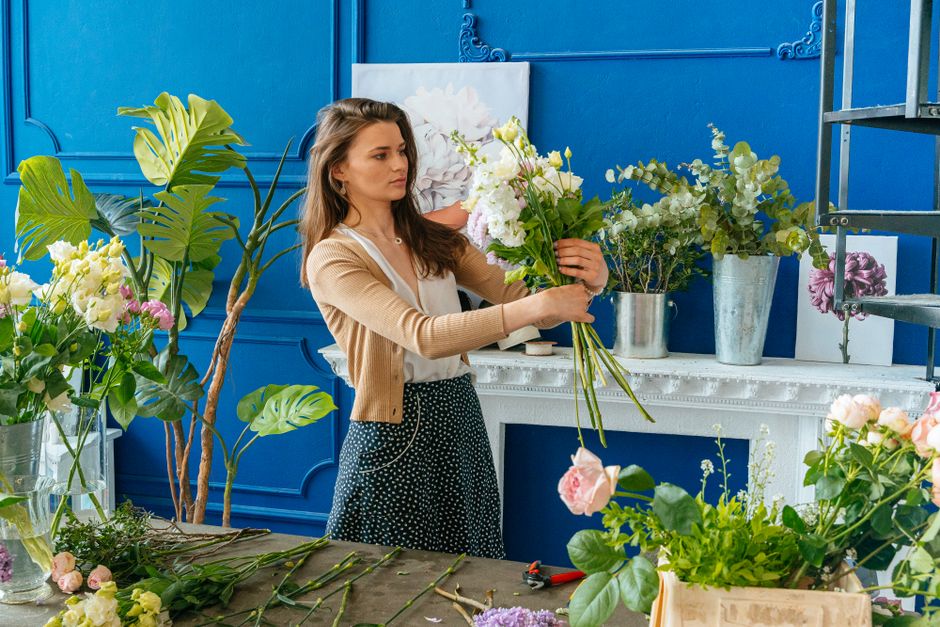
A professional florist, by contrast, handles the design, stem selection, construction, and often delivery. Some florists help with event styling, venue installation, or recurring corporate arrangements too. You are paying not only for flowers, but for the expertise to make them behave. Anyone who has ever tried to make eucalyptus sit neatly in a vase will understand that point quickly.
The real difference is process. DIY asks you to become the florist for a day, a weekend, or maybe a whole wedding. Professional floristry removes much of that burden. You brief the florist on colours, mood, budget, and timing, and they translate that into a finished result. If you need reliable timing, you may want to understand how delivery is handled and what happens if something does not arrive as expected, which is where service guarantees can matter.
In practical terms, the question is this: do you want a flower project, or do you want flowers? Sometimes that distinction saves a lot of time.
Key Benefits and Practical Advantages
Both options have strengths. The best choice depends on what matters most to you: cost, convenience, style, scale, or emotional significance. Here is the practical version, stripped back and honest.
Benefits of DIY flowers
- Lower labour cost: You are not paying for design time and handling.
- More creative control: You choose every stem, ribbon, vase, and finishing touch.
- Personal satisfaction: There is something lovely about making your own flowers, especially for family occasions.
- Flexible for smaller events: A handful of simple arrangements is manageable for many people.
Benefits of hiring a professional florist
- Better consistency: Important when you need multiple bouquets or matching table pieces.
- Less stress: Delivery, conditioning, and design are handled for you.
- Stronger presentation: Florists understand shape, structure, and flower longevity.
- Useful advice: A good florist will guide you on seasonality, colour harmony, and practical timing.
There is also a hidden benefit people often overlook: time. DIY flowers are rarely just flowers. They become a transport job, a storage job, a cleaning job, and a coordination job. If you are already organising a wedding, a funeral, a corporate event, or a big family celebration, that extra load can feel heavier than expected.
Professional floristry can also improve the finish of a display in ways that are subtle but important. A neat hand-tied bouquet has balance. A table arrangement should not block conversation. A sympathy tribute should feel calm and respectful rather than overworked. These are small details, but they matter a lot.
Who This Is For and When It Makes Sense
This decision is relevant to more people than you might think. The answer is not just for brides and event planners. It applies to anyone trying to decide whether to do the work themselves or hand it over to someone who does this every day.
DIY is often a sensible option for:
- Small birthday bouquets or table vases
- Casual home gatherings with a relaxed style
- Craft-loving people who enjoy arranging flowers
- Very tight budgets where simplicity is the priority
- Projects with a low emotional or reputational risk if something goes wrong
Hiring a professional florist makes more sense for:
- Weddings and engagement parties
- Funeral flowers and sympathy arrangements
- Corporate receptions, launches, and client-facing spaces
- Large events with many arrangements to coordinate
- Gift flowers that need to arrive polished and on time
There is a simple test I often suggest. Ask yourself: if the flowers are a little late, a bit uneven, or not quite fresh enough, will it matter? If the answer is yes, get a pro. If the answer is no, DIY may be perfectly fine. That sounds blunt, but it is a good filter.
For businesses, it is worth considering consistency across repeated orders too. If you need recurring displays or account-level support, a florist with corporate account services may be the more practical route.
Step-by-Step Guidance
If you are still weighing up the decision, this step-by-step process should make things clearer. It is less glamorous than scrolling inspiration photos, but much more useful.
- Define the purpose. Is this for a gift, a wedding, a funeral, a dinner table, or a business setting?
- Set the risk level. Decide how disappointed you would be if the flowers looked a bit rough or arrived late.
- Count the arrangements. One bouquet is very different from twenty centrepieces.
- Check your time. Be realistic. Can you prepare, transport, and store everything properly?
- Assess your skill. Have you arranged flowers before, or is this your first proper go?
- Compare total cost. Include stems, tape, vases, tools, delivery, and your own time.
- Match the choice to the event. A relaxed garden party may suit DIY, while a formal venue may not.
- Decide early. Flowers are not something to leave until the last minute. That never ends well.
If you choose DIY, start with a simple colour palette and a limited range of flowers. Three or four varieties is plenty for most beginners. If you choose a florist, give clear notes on the occasion, budget, colour preference, and any flowers to avoid. The more useful the brief, the better the result.
And if your flowers are going to be delivered, remember that timing matters almost as much as design. Checking the seller's delivery information and returns and refund policy can save stress later. Nobody wants a last-minute surprise before an event.
Expert Tips for Better Results
A few practical habits make a huge difference, whether you DIY or hire a florist.
- Use seasonal flowers where possible. They are often fresher, easier to source, and more forgiving in arrangements.
- Keep stems conditioned. Trim at an angle, remove lower leaves, and place flowers in clean water quickly.
- Choose sturdy focal flowers. Roses, carnations, chrysanthemums, alstroemeria, and similar blooms can be easier to work with than delicate stems.
- Plan for heat and transport. A warm car on a sunny afternoon can undo good work fast. Spring and summer events need a bit of extra care.
- Leave room for airflow. Crowding flowers too tightly can make arrangements look flat and shorten vase life.
- Keep the design simple if you are new to this. Simplicity usually looks more elegant than a crowded, overstuffed arrangement.
One small but underrated tip: photograph your arrangements before the event. If you are making multiple pieces, the photos help you keep the style consistent. It also gives you a quick reference if you need to repeat the look later. Sounds a bit fussy, maybe. But it works.
For care after delivery, a florist's advice is often worth following closely. If you want a clear refresher on maintaining freshness, the site's flower care guidance is a sensible place to start.
Common Mistakes to Avoid
Most flower disappointments come from a few predictable mistakes. The good news is that they are easy to avoid once you know them.
For DIY projects
- Buying too many varieties: Too much choice can make the arrangement messy.
- Underestimating preparation time: Conditioning flowers takes longer than people expect.
- Ignoring scale: A huge venue needs bigger, bolder arrangements than a small kitchen table.
- Forgetting transport logistics: Flowers do not enjoy being knocked around in a boot full of shopping bags.
- Leaving arrangements until the last minute: Freshness and calm both suffer.
For professional orders
- Vague briefs: "Something nice" is charming, but not very helpful.
- Not checking timing: Delivery windows matter, especially for events.
- Focusing only on price: Cheap is not always good value if the flowers are unsuitable or poorly matched.
- Forgetting venue constraints: Some venues have access rules, set-up times, or restrictions on installations.
Another common issue is expecting every flower to behave the same way. They will not. Some are naturally more dramatic, some more delicate, some better for a cool room, some better for a long-lasting display. That is just flowers being flowers.
Tools, Resources and Recommendations
If you are going DIY, you do not need a professional studio setup. But a few basic tools help a lot.
- Sharp florist scissors or snips
- Clean buckets or containers for conditioning
- Floral tape and wire where needed
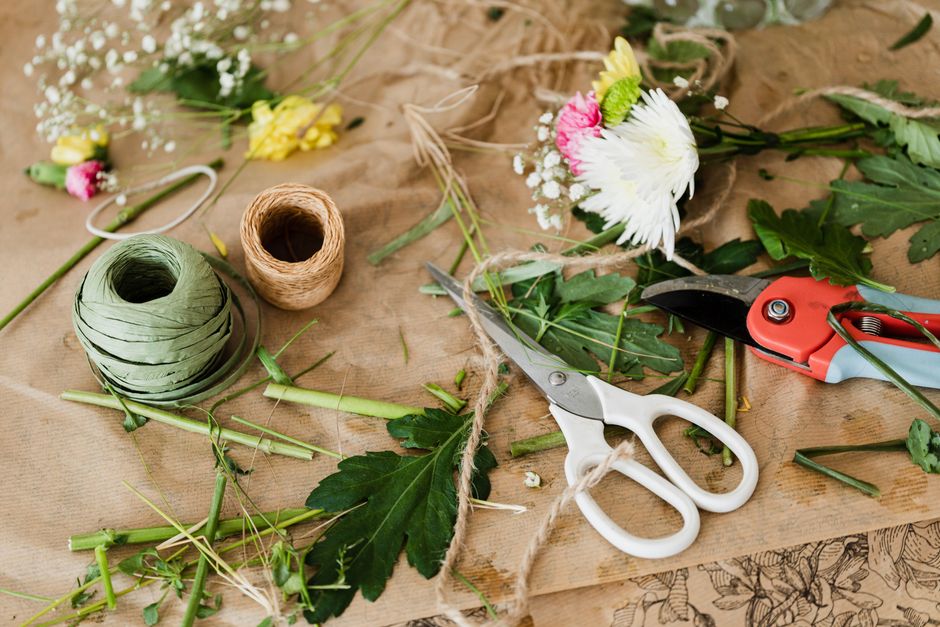
- Ribbon, twine, or simple wrapping materials
- Suitable vases, jars, or display containers
- Clean towels and a clear work surface
For professional buyers, the best "resource" is often a clear brief. Think through the following: colour palette, occasion, venue size, delivery timing, and any must-have or must-avoid flowers. If you know the flowers will be handled by multiple people, ask about delivery and packaging so the display arrives safely. That is especially useful for gifts and events with fixed start times.
If you are shopping for a birthday, apology, thank-you gift, or a same-day surprise, a service like flower delivery can remove a lot of friction. If you are curious about the business behind the service, you can also read the company's about us page to understand its approach.
And if you prefer a bit more reassurance before ordering, have a look at the company's guarantees and contact information so you know how support works. Small detail, big peace of mind.
Law, Compliance, Standards, or Best Practice
For most home flower projects, there is no special legal issue beyond ordinary care and common sense. However, once flowers are used in a commercial or public setting, a few best-practice points matter.
For example, a business ordering flowers for reception areas should think about safe placement, access routes, trip hazards from stands or baskets, and how arrangements may affect customer flow. If flowers are installed at an event venue, you may also need to respect site rules about delivery times, loading access, and set-up areas. These are not dramatic compliance issues, but they matter in practice.
When flowers are used in food-facing environments, extra caution is sensible. Keep arrangements away from food prep surfaces unless the venue specifically allows otherwise. If in doubt, ask the venue or your florist. It is a simple question, and a useful one.
From a consumer point of view, it is also wise to read the seller's terms and conditions, privacy policy, and payment information before placing an order. If there is any confusion about substitutions, delivery timing, or what happens if no one is available to receive the flowers, check those details early. Better boring now than stressful later.
Finally, if sustainability matters to you, look for retailers that explain their sourcing and environmental approach clearly. The company's sustainability information can be helpful if that is part of your decision-making. And for workplace sourcing and ethics, a modern slavery statement is one of the transparency documents worth reading. Not glamorous, but it tells you something about standards.
Options, Methods, or Comparison Table
Here is a straightforward comparison to help you choose the right route.
| Factor | DIY flowers | Professional florist |
|---|---|---|
| Budget | Usually lower cash cost, but time adds up | Higher upfront cost, clearer total value |
| Control | Full hands-on control over every detail | Shared control; guided by expert design |
| Stress level | Can be high, especially close to the event | Usually lower, because someone else handles the work |
| Consistency | Harder to maintain across multiple arrangements | Usually much better for matching pieces |
| Best for | Small, informal, low-risk occasions | Important events, gifts, and larger displays |
| Learning curve | Requires practice and a bit of patience | Minimal for the customer |
There is no universal winner here. DIY is brilliant when the occasion is relaxed and the stakes are modest. A florist is better when presentation, timing, and reliability really matter. If you are trying to save money on a wedding, for instance, a hybrid approach can work well: some simple DIY items for guest tables, but a professional for the bouquet, ceremony flowers, or key focal pieces.
That blend is often the sweet spot. A bit of help where it matters most. Sensible, not showy.
Case Study or Real-World Example
Imagine two different Saturday events in the UK. One is a relaxed garden birthday lunch for twelve people. The other is a formal anniversary dinner in a hired room with guests arriving in waves, coats everywhere, the usual bustle.
For the garden lunch, the host chooses DIY. They buy a few seasonal stems, keep the palette soft, and arrange three small vases and a larger centrepiece. The flowers are not elaborate, but they look cheerful, personal, and right for the setting. The host enjoys the process, and because the risk is low, the occasional uneven stem does not matter.
For the anniversary dinner, the family hires a professional florist. They want a polished bouquet, a table arrangement that lasts through the evening, and a timely delivery that removes one more thing from the schedule. The florist recommends flowers that suit the room, keeps the style elegant, and handles the presentation so the family can focus on the event itself.
Both choices are correct. The difference is not "cheap versus expensive"; it is fit for purpose. That is the bit people sometimes miss when they ask whether they should DIY or hire a pro. The right answer depends on the day in front of you, not just the one in your head.
In our experience, the most satisfied customers are the ones who match the method to the moment. A small touch at home can be lovely. A special occasion with a deadline often needs professional calm.
Practical Checklist
Use this before you decide.
- Is the occasion low-risk or emotionally important?
- How many arrangements do you need?
- Do you have enough time to prepare properly?
- Will transport or storage be awkward?
- Do you want full creative control, or would expert guidance help?
- Are you confident handling flowers without damaging them?
- Does the venue have any access or setup restrictions?
- Would delivery make the whole process easier?
- Do you need support with substitutions, timing, or refunds if something changes?
- Would the event feel calmer if the flowers were one less thing to manage?
If you tick several of the "stress" boxes, hiring a florist is probably the smarter choice. If not, DIY may be perfectly suitable. No drama.
Get a free quote today and see how much you can save.
Conclusion
The DIY versus professional florist decision is really about matching the job to the occasion. DIY can be creative, satisfying, and cost-conscious for smaller or more relaxed projects. A professional florist brings experience, reliability, and a polished finish that matters when the stakes are higher.
If you remember only one thing, make it this: choose DIY when the process itself is part of the pleasure, and choose a florist when the result needs to be dependable, elegant, and easy. That simple rule will save you more stress than any fancy trend ever will.
And if you are still weighing it up, be kind to yourself. Flowers should add joy, not pressure. The best choice is the one that lets you enjoy the moment, not manage it.
Frequently Asked Questions
Is DIY flower arranging cheaper than hiring a professional florist?
Usually, yes in direct cash terms. But once you include your time, tools, transport, and the risk of mistakes, the gap can shrink quite a bit. For small projects, DIY often saves money. For larger or more important events, a florist may be better value overall.
When should I hire a professional florist in the UK?
Hire a pro when the flowers are tied to an important event, need to arrive on time, must look consistent, or involve a lot of arrangements. Weddings, funerals, corporate events, and special gifts are the clearest examples.
Can I do my own wedding flowers?
Yes, if the wedding is small, your design is simple, and you have plenty of time. But weddings can become hectic fast. If you are already juggling venue timings, suppliers, and guests, a professional florist can take a lot of pressure off.
What flowers are easiest for beginners to arrange?
Generally, sturdier flowers with strong stems are easier to work with. Many beginners find roses, carnations, chrysanthemums, and alstroemeria more forgiving than delicate or highly textured blooms. Simplicity helps, too.
How far in advance should I book a florist?
As early as you can, especially for weddings, peak seasons, or large events. Popular dates fill quickly. For smaller gifts or everyday orders, shorter notice may be fine, but it is still sensible to plan ahead where possible.
What should I ask a florist before ordering?
Ask about flower availability, delivery timing, substitutions, care instructions, and what happens if nobody is available to receive the order. If you are placing a larger or more formal order, ask how the florist handles setup and venue access too.
Are supermarket flowers good enough for DIY arrangements?
They can be, especially for simple arrangements or informal occasions. The key is checking freshness and choosing stems that will hold up well. Supermarket flowers are often a practical starting point, though they may offer less variety than a florist.
How do I know if my event needs a professional florist?
Ask yourself how much the flowers matter to the feel of the event and how much pressure you can handle. If the flowers are a central feature, or if timing and presentation matter a lot, a florist is usually the safer choice.
Do professional florists help with delivery and setup?
Often, yes. Many florists handle delivery, and some offer setup for weddings, corporate functions, or larger displays. Always check what is included before you order, since service levels can differ.
What is the biggest DIY flower mistake people make?
The biggest one is underestimating how long everything takes. People often buy flowers on Friday thinking they will be "quick to do" on Saturday, then discover there is trimming, conditioning, arranging, and transport to handle. It adds up fast.
Is it better to hire a florist for sympathy flowers?
In most cases, yes. Sympathy flowers carry emotional weight, and the tone needs to be appropriate. A professional florist can help keep the arrangement respectful, calm, and well-finished, which is often what people want at a difficult time.
What if I want a mix of DIY and professional flowers?
That is often a very sensible approach. You might make the smaller decorative pieces yourself while hiring a florist for the main bouquet, ceremony flowers, or any arrangements that need to be flawless. It is a balanced option and, honestly, a pretty smart one.