Create Long-Lasting Centrepieces for Receptions: Pro Tips
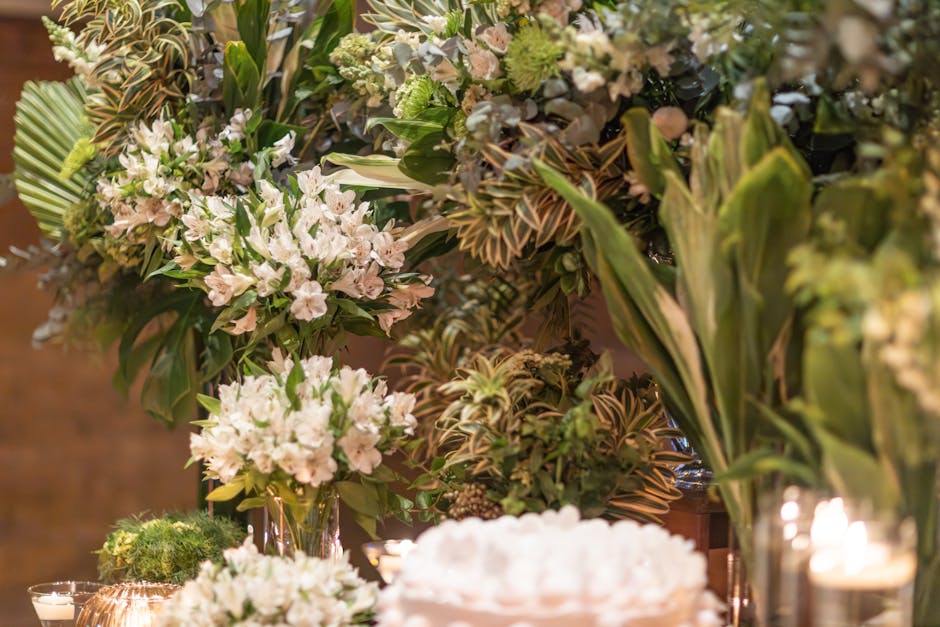
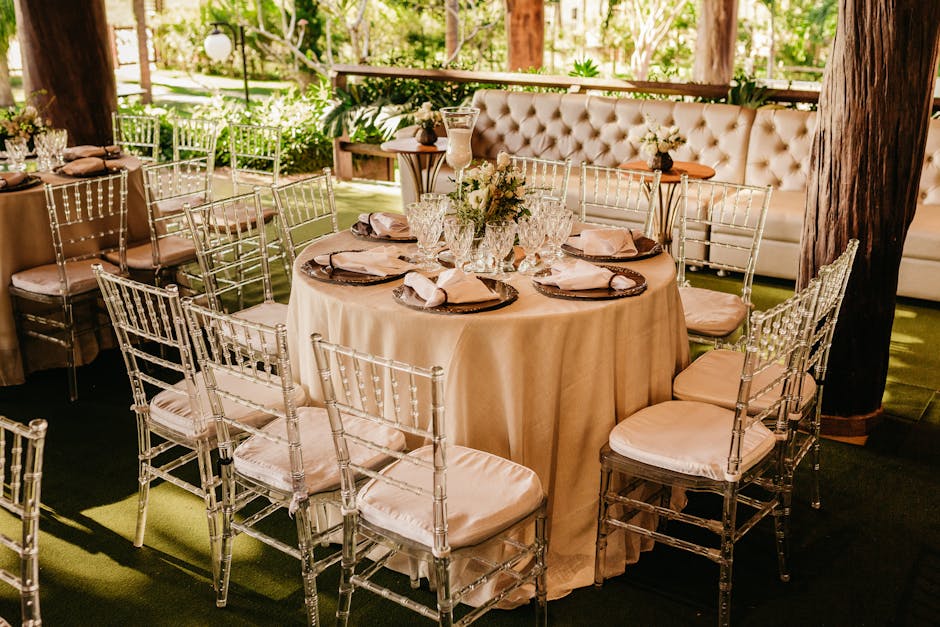
Reception centrepieces do more than fill a table. They set the tone the moment guests walk in, shape the room's colour palette, and quietly pull the whole event together. The tricky bit? They also have to survive travel, setup, warm lights, moving chairs, toasts, and a long evening without looking tired by half-time. That is where Create Long-Lasting Centrepieces for Receptions: Pro Tips really matters.
If you want arrangements that still look fresh at the final speech, the answer is not just "buy hardier flowers." It is a mix of design choices, flower selection, mechanics, timing, and sensible handling. In this guide, you will find practical advice that works for weddings, corporate dinners, banquet tables, charity receptions, and private celebrations alike. We will cover what makes a centrepiece last, how to build one properly, common mistakes, and the little details that separate a nice arrangement from one that keeps its shape all evening.
For readers planning a larger event, it can also help to look at the wider service picture, from flower delivery and delivery options to care advice on flower care. Those details sound small, but they make a real difference. Honestly, they often make the biggest difference.
Why Creating Long-Lasting Reception Centrepieces Matters
At a reception, centrepieces are under pressure from the start. They may be placed hours before guests arrive, photographed from multiple angles, and then left to do their job while people eat, talk, and occasionally brush past the table. A centrepiece that droops early can make the whole room feel a little less considered. A strong one, by contrast, quietly holds the space together.
There is also a practical side. Longer-lasting arrangements reduce waste, last through the full event, and are less likely to need emergency fixes just before guests sit down. That matters for planners, venues, and anyone trying to keep a sensible budget. In the real world, the best centrepieces are usually not the most elaborate ones. They are the ones designed with the event timeline in mind.
Think about a summer reception in a London venue with large windows and warm interior lighting. Lovely, yes. Also a slightly unforgiving environment for delicate flowers. Without the right water source, flower selection, and setup, petals can open too fast or heads can sag before dessert. A good design anticipates all of that.
Expert summary: Long-lasting reception centrepieces are built, not guessed. Choose flowers with staying power, give them proper hydration support, keep the design stable, and match the arrangement to the room's conditions.
How Long-Lasting Centrepieces Work
Durability in floral design comes from a few simple principles. First, select blooms and foliage that naturally hold up well. Second, use mechanics that keep stems hydrated and secure. Third, keep the arrangement in an environment that slows deterioration rather than speeds it up. In other words, it is part flower science, part common sense.
The most reliable reception centrepieces usually use a combination of:
- Hardy focal flowers such as roses, alstroemeria, chrysanthemums, carnations, orchids, or spray roses.
- Supportive greenery that gives shape and helps the design last visually, not just technically.
- Water-based mechanics such as foam, vessels, or hidden containers where appropriate.
- Shorter stems and dense mechanics to reduce movement and limit stress on the blooms.
- Timing control so the arrangement is made close enough to the event to stay fresh, but not so late that setup becomes chaotic.
The trick is balance. A centrepiece packed too tightly can trap heat and bruise petals. One that is too airy may look beautiful but fade visually once the larger blooms start to relax. A well-made arrangement has breathing room, structure, and enough hydration to carry it through the whole reception.
There is also a difference between fresh-looking and fully open. For receptions, especially those lasting several hours, flowers usually perform better if they are chosen at the right stage of opening. Too tight and they may not open in time. Too open and they can look tired by the last toast. Timing matters. More than people think.
Key Benefits and Practical Advantages
Long-lasting centrepieces are not just prettier for longer. They make the event easier to manage and more enjoyable to experience. That is the simple version. The fuller version is below.
They protect the look of the room
Reception tables are often photographed early and late. A strong centrepiece keeps the space looking polished throughout the event, not just during the first hour. That consistency matters for guests and for the images people take home.
They reduce last-minute stress
Anyone who has tried to fix a wilting arrangement while guests are already arriving knows the feeling. It is not ideal. Choosing durable flowers and reliable mechanics makes setup calmer and reduces the need for emergency swaps.
They are usually better value
Even when the initial design is slightly more considered, a longer-lasting arrangement can be more cost-effective because it does not require as much replacement or rework. It is a classic case of spending smart rather than spending more.
They improve guest comfort
Low, stable arrangements allow conversation across the table. Fragrance can be kept subtle. Taller centrepieces can also work if they are designed with visibility in mind, but the basic point stands: good centrepieces should enhance the reception, not dominate it.
They support sustainability goals
Less waste, fewer rushed replacements, and smarter use of flowers all help. If sustainability matters to your event, this is where thoughtful design really pays off. You can read more about the wider approach on our sustainability page.
Who This Is For and When It Makes Sense
This approach suits anyone planning a reception where presentation has to last. That includes wedding couples, venue managers, event planners, corporate hosts, charities, and private clients organising birthdays, anniversaries, product launches, or awards dinners. If your tables need to look good from first drink to final send-off, this matters.
It is especially useful when:
- the event runs for several hours
- tables will be photographed throughout the day or evening
- the venue is warm, bright, or draughty
- flowers need to be transported before setup
- you are working with a mixed layout of long tables, rounds, or banqueting tables
- you want a cleaner, more polished finish without constant maintenance
Corporate receptions often need this approach because the schedule can be tight and the atmosphere fairly unforgiving. One minute the room looks pristine, the next there is a microphone check, a photographer, and three people moving chairs. If you are planning for business events, it may also be useful to explore corporate account support for repeat ordering and consistent styling.
And yes, if the occasion is more intimate, you still benefit. A smaller dinner can look just as elegant with the right centrepieces. Sometimes more so, truth be told.
Step-by-Step Guidance
Below is a practical way to plan arrangements that actually last. Not theory. The kind of process that helps on an event day when everyone is busy and the clock keeps moving.
1. Start with the event timeline
Work backwards from the reception start time. Ask when the flowers will be delivered, when they can be conditioned, and when they must be placed. If the setup is early morning and the reception is not until evening, you need extra holding power. If the venue is hot or busy, you need even more.
2. Choose flowers with staying power
Some flowers are naturally better suited to long receptions than others. Roses, orchids, chrysanthemums, carnations, lisianthus, alstroemeria, and many seasonal greens tend to be reliable. Delicate blooms can still be used, but usually as accent flowers rather than the main structure.
A useful rule: if a bloom bruises when you look at it the wrong way, think carefully before making it the centre of a table that will see six hours of conversation and candlelight.
3. Build a strong base
Whether you are using floral foam, a vase arrangement, or a shallow vessel with a water source, the base should hold stems firmly and keep the display hydrated. The mechanics should be hidden, but never improvised. A wobbly base is the fastest route to a drooping arrangement.
4. Design for the venue, not just the flowers
Look at table size, ceiling height, light level, and guest flow. A low banquet table wants a different design from a round dining table. A room with strong daylight and a late finish needs sturdier blooms than a cool, softly lit space.
5. Condition the flowers properly
Conditioning means trimming, hydrating, and storing flowers correctly before they are arranged. It is one of those unglamorous steps that quietly decides everything. Clean water, fresh cuts, and enough rest time can significantly improve performance.
6. Assemble close to the event
The closer the arrangement is made to the reception, the fresher it is likely to look. That said, last-minute work without a plan is not the answer either. You want a sensible window for preparation, transport, and settling.
7. Check the display in situ
Once on the table, check the height, spacing, and sightlines. Sit down if you can. Seriously, sit down. What looks balanced standing over it may block faces once guests are seated.
Expert Tips for Better Results
This is the section where small decisions make a surprisingly large difference. You do not need a huge budget to get better results, but you do need a bit of judgement.
Use a mix of open and semi-open blooms
Fully open flowers can look glorious on arrival but may fade faster. Semi-open blooms tend to give you a better window of freshness. In most reception settings, that is the sweet spot.
Anchor the eye with one or two strong focal points
Instead of scattering attention across too many flower types, create a clear visual structure. One focal bloom, repeated with a few supporting flowers, often feels more polished and lasts visually longer than a busy mix of everything available.
Keep fragrance gentle
Strongly scented flowers can be lovely in the right setting, but dining rooms are not always the place for overpowering fragrance. A soft scent feels elegant. A room full of competing perfumes and floral notes, less so.
Prioritise stems that stay upright
Soft stems may bend during transport. If you have ever seen a lovely arrangement slowly lean sideways by the second hour, you will know the issue. Choosing sturdier stems helps preserve the shape of the design.
Use foliage strategically, not as filler
Good greenery frames the flowers, hides mechanics, and adds volume without making the arrangement heavy. A little structure goes a long way. Too much and the centrepiece can start to feel vague or overgrown.
Keep heat and draft in mind
Floors near doors, radiators, windows, and kitchen pass-throughs can be rough on flowers. If the room is warm, ask for the arrangements to be kept cool until the last sensible moment. A small change in placement can add hours of visual life.
Plan for transport
Long-lasting flowers still need gentle handling. Secure them in transit, avoid crushing petals, and minimise unnecessary stops. For people ordering for an event, reliable flower delivery is not a convenience feature, it is part of the design process.
Have a quiet backup plan
This sounds dull, but it is smart. Keep a few matching stems, extra water tubes, or a simple spare arrangement ready. If one table gets knocked or one bloom fails faster than expected, you can fix it without panic.
Common Mistakes to Avoid
Most centrepiece problems are avoidable. Not all of them, of course. Flowers are living things and a bit unpredictable. But many of the usual headaches come from the same handful of mistakes.
- Choosing flowers for appearance alone without checking how long they actually last in a reception environment.
- Making arrangements too early and expecting them to look identical many hours later.
- Using too much water-free filler where hydration support is needed.
- Overcrowding the design so petals bruise and airflow is reduced.
- Ignoring the venue temperature and light conditions.
- Creating centrepieces that are too tall for conversation or too low to have any presence at all.
- Skipping transport protection and then wondering why the display arrives tired.
- Forgetting table layout changes after the flowers have been designed.
One of the easiest mistakes to miss is scale. A centrepiece can be technically beautiful and still feel wrong on the table. If the flowers dominate plates, candles, menus, or place settings, the whole arrangement starts to work against the room. That is a shame, because the fix is usually simple: step back and resize.
Another common issue is rushing the decision. People sometimes choose the prettiest bloom first and only later think about durability. Fair enough, it happens. But if longevity is the brief, the sequence needs to be reversed.
Tools, Resources and Recommendations
You do not need a professional studio to make durable reception centrepieces, but having the right tools will save time and reduce stress. At minimum, the following are useful:
- sharp floristry scissors or snips
- clean buckets for conditioning stems
- fresh water containers or appropriate vessels
- floral tape or support materials where suitable
- wire, pins, or hidden mechanics for structural support
- soft cloths or paper for drying stems and cleaning surfaces
- transport boxes or secure trays for moving arrangements
For readers who are ordering rather than making the arrangements themselves, it helps to choose a florist that can explain care clearly and respond promptly if plans change. Look for obvious signs of good service: sensible communication, a clear process, and straightforward policies. Useful pages to review include delivery guarantees, returns and refund information, and practical payment details.
If you are checking the business itself, the about us page and contact page can also give helpful reassurance. Sometimes the simplest pages tell you a lot about how a company works.
Law, Compliance, Standards, or Best Practice
For most reception centrepiece projects, the main concerns are best practice, contractual clarity, and safe working rather than complex regulation. Still, it is sensible to think in those terms. Events involve venues, staff, public access, and time-sensitive deliveries, so clear arrangements matter.
Here are a few sensible UK-minded best practices:
- Agree delivery windows and setup expectations in advance so the flowers arrive when the venue can actually receive them.
- Check venue rules on open flame, water on surfaces, access times, and removal after the event.
- Use clear written terms for bespoke orders, substitutions, and cancellations. If you are booking online, the relevant terms and conditions should be reviewed carefully.
- Respect privacy and communication preferences when sharing event details, especially for corporate or private clients. A company's privacy policy should be easy to find.
- Consider responsible sourcing where possible. This can include seasonal selection, reduced waste, and supply-chain awareness.
Accessibility matters too. If guests or organisers need information in a more accessible format, a clear accessibility statement helps demonstrate care and transparency. That kind of thing may seem administrative, but it speaks to the overall standard of the service.
If you are ordering from a provider, it is also worth checking how they handle ethical sourcing and supply responsibility through pages such as their modern slavery statement. In a nutshell: the stronger the operational basics, the fewer surprises on event day.
Options, Methods, or Comparison Table
There is no single "best" centrepiece method. The right choice depends on the event style, budget, and how long the flowers need to perform. Here is a practical comparison.
| Method | Best for | Strengths | Limitations |
|---|---|---|---|
| Low vase arrangement | Dining receptions, round tables, intimate dinners | Easy conversation, good hydration, stable look | Can feel understated on larger tables |
| Floral foam arrangement | Structured designs, mixed blooms, shaped centrepieces | Strong control over form, useful for complex styling | Needs careful handling and thoughtful material choices |
| Bud vase cluster | Minimalist or modern receptions | Flexible, lightweight, easy to scale | Less dramatic unless grouped effectively |
| Tall statement centrepiece | Gala dinners, formal receptions, venues with space | Strong visual impact, good for large rooms | Must be designed carefully to preserve sightlines and stability |
For many receptions, a hybrid approach works best. For example, low arrangements on dining tables and a stronger feature design at the entrance or gift table. That creates variety without overcomplicating the room. A little restraint usually goes further than trying to make every surface a showpiece.
Case Study or Real-World Example
Imagine a reception in a hotel function room on a mild spring evening. The brief is simple on paper: elegant, fresh, and long-lasting. The event starts at 6 p.m., with guests seated by 7, speeches at 8:15, and dancing later on. The room has bright lighting and warm air from a busy service area nearby.
Instead of relying on delicate, fast-opening blooms alone, the florist builds low centrepieces around roses, carnations, spray roses, and soft greenery. The flowers are conditioned earlier in the day, then arranged closer to setup time. The vessels are weighted and the stems are cut to a uniform length for stability. A few open blooms are added for richness, but the majority are still at the semi-open stage.
At setup, the arrangements are checked from seated eye level. One table near the kitchen door is moved slightly because the airflow is too strong there. Not dramatic, just sensible. By late evening, the flowers still hold their shape. They look a little softer, yes, but not tired. That is usually the goal. Not frozen perfection. Just graceful endurance.
This is the part people often underestimate: the best result is often invisible. Guests do not say, "What remarkable mechanics." They simply enjoy the atmosphere. Which, to be fair, is exactly the point.
Practical Checklist
Use this checklist when planning centrepieces that need to last through a full reception.
- Confirm the event start and finish times.
- Check venue temperature, lighting, and table layout.
- Choose flowers known for durability.
- Use fresh, properly conditioned stems.
- Select a stable container or support method.
- Keep arrangements proportional to the table.
- Plan transport so petals and stems are protected.
- Assemble as close to the event as practical.
- Inspect the design at seated eye level.
- Keep backup stems or a repair kit ready.
- Review delivery, refund, and guarantee terms before ordering.
- Store spare flowers in water and away from heat until needed.
If you want a very quick rule of thumb: durability starts before the flowers are arranged. That is the bit people miss most often.
Conclusion
Long-lasting reception centrepieces are not about overbuilding or hiding every stem. They are about making thoughtful choices that let the flowers do their job for the full event. Choose blooms with staying power, match the design to the room, handle everything gently, and plan the timing properly. The result is an arrangement that looks calm, polished, and welcome from the first guest to the last farewell.
If you are organising a reception, it is worth taking the extra few minutes to check delivery, care, and service details before you commit. Those small steps tend to save the most stress later. And if you need help planning a repeat order, a one-off reception, or a larger business event, it is sensible to speak with a florist early rather than late.
Get a free quote today and see how much you can save.
Good flowers do their work quietly. The best ones make the whole room feel easier, warmer, and more memorable, and that is a lovely thing to get right.
Frequently Asked Questions
What flowers last longest for reception centrepieces?
Roses, carnations, chrysanthemums, orchids, alstroemeria, spray roses, and lisianthus are often dependable choices. The best option still depends on the season, room temperature, and how long the display needs to last.
How far in advance can reception centrepieces be made?
It depends on the flowers and setup method, but in general they should be prepared as close to the event as practical. The later the arrangement is completed, the fresher it is likely to look, provided transport and storage are handled properly.
Do centrepieces need water to last all evening?
Usually, yes. If you want flowers to stay fresh through a reception, they need a reliable water source or support system. Foam, vessels, and water tubes can all help when used appropriately.
What is the best height for reception centrepieces?
There is no single answer, but the height should suit the table size and allow conversation. Low arrangements work well for dining tables, while tall designs need careful planning so they do not block faces or feel unstable.
How do you keep flowers fresh in a warm venue?
Choose hardier flowers, keep arrangements cool until setup, avoid direct heat, and place them away from vents or sunny windows where possible. Venue conditions can make a big difference, especially in summer.
Are faux flowers better for long-lasting centrepieces?
They can be a practical choice for some events, particularly where reusability matters. That said, many clients still prefer fresh flowers for fragrance, texture, and natural variation. The right option depends on the brief and budget.
How do I stop centrepieces from looking flat by the end of the night?
Use sturdy stems, avoid over-opening the flowers too early, and design with structure in mind. A little foliage support and a stable base help the arrangement keep its shape for longer.
What should I ask a florist before ordering reception centrepieces?
Ask which flowers are most durable, how the arrangements will be delivered, what care they need before setup, and what happens if timings change. It is also worth checking guarantees and written terms before confirming the order.
Can I use scented flowers on dining tables?
Yes, but be careful with strong fragrance. Light scent can be lovely, while overpowering floral perfume may compete with food and conversation. Balance is the key.
How much do long-lasting centrepieces usually cost?
Costs vary widely depending on flower types, size, design complexity, and delivery requirements. Rather than focusing on a fixed price, it is better to compare what is included: conditioning, transport, setup, and any backup support.
What is the most common mistake people make with reception centrepieces?
Picking flowers based on appearance alone and ignoring how they will hold up over time. A beautiful arrangement that fades before the main course is not really doing the job, even if it looked perfect in the morning.
Where can I find more information about delivery and service details?
You can review practical service pages such as delivery information, flower care advice, and the company's contact page if you need help with a specific event plan.